
Brace yourself as your pulse races through twisted immersive horror worlds, full of gore, and chaos where terror knows no limits.
Are you a thrill seeker who dreams of Freddie Kruger and hides behind the cushion, but secretly loves that scary “when’s it over” moment? Then our worlds of horror are for you!
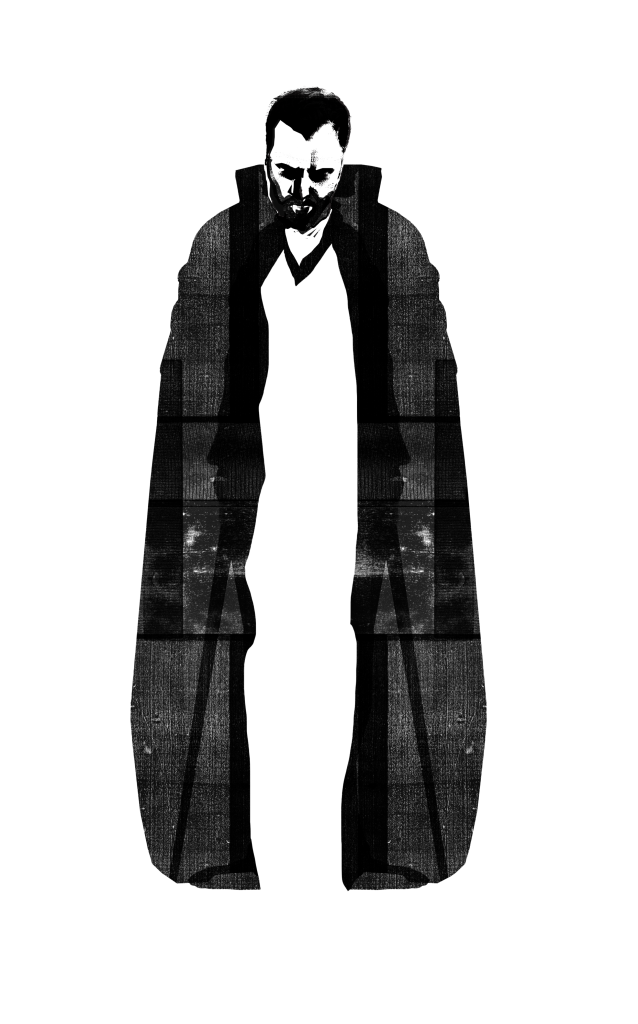
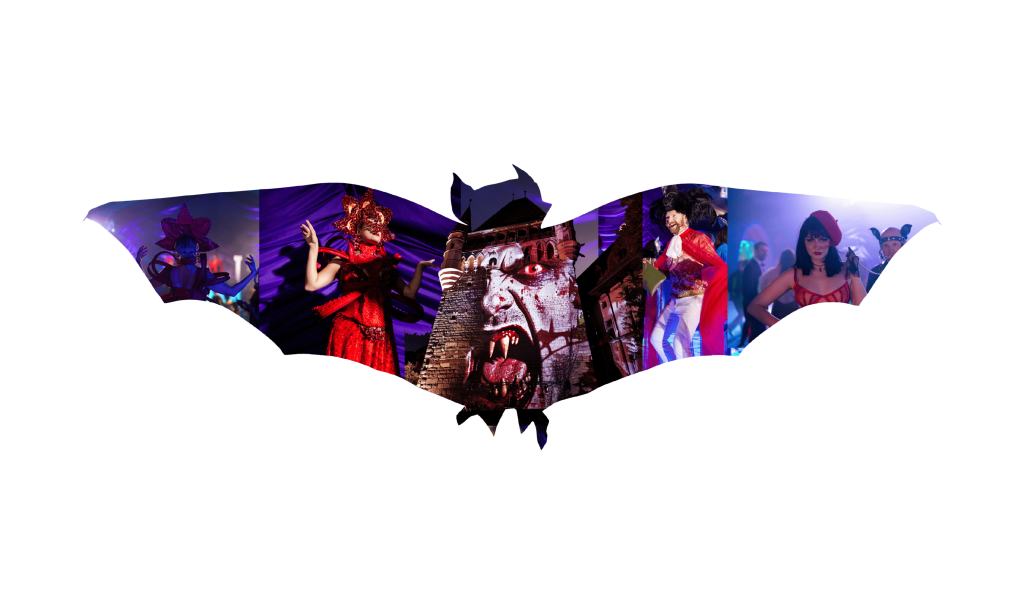
Prepare yourself for an experience of thrills, chills, and questionable life choices, because no amount of garlic, crucifixes, or "I’m just here for the buffet" excuses will save you once you enter Dracula's castle! Picture this: dimly lit hallways, shadowy figures lurking in every corner, and the ominous swish of Dracula’s cape echoing somewhere behind you as you tiptoe through this gothic horror show.
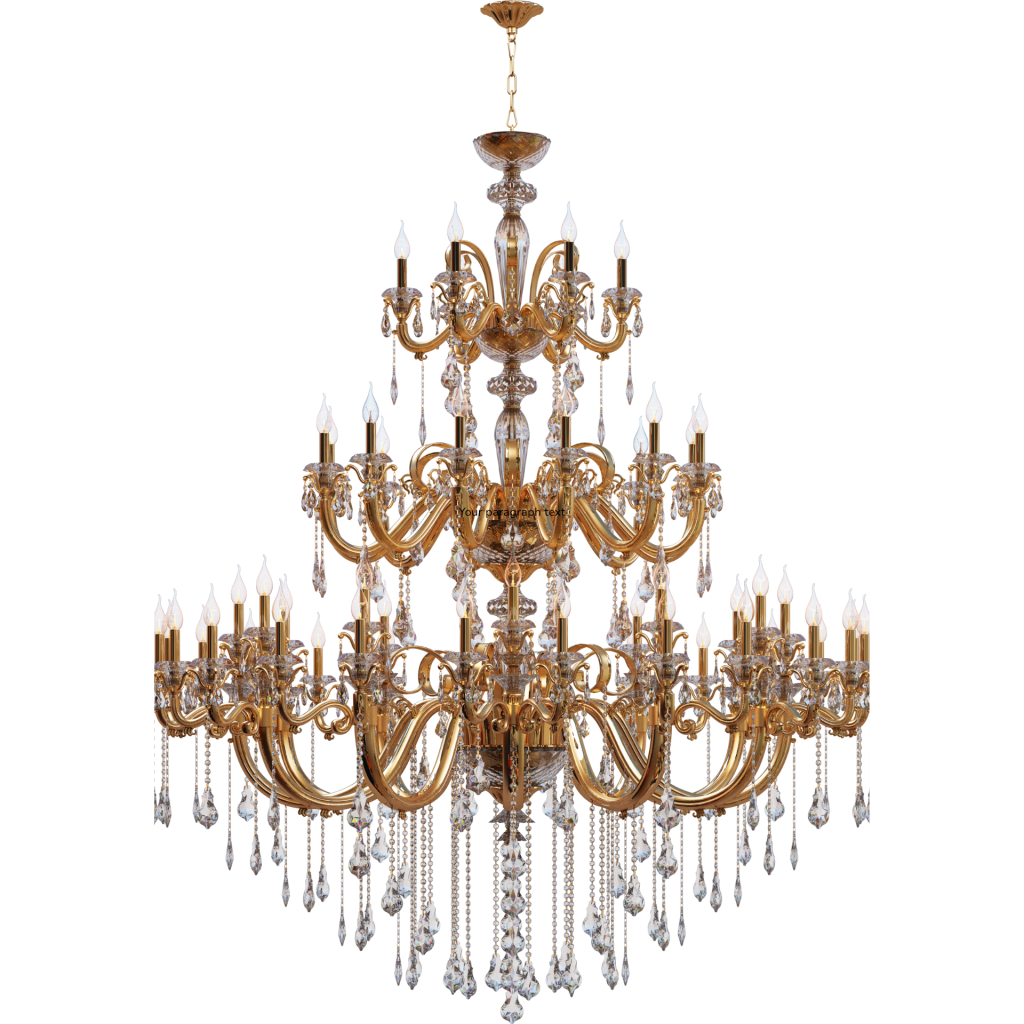
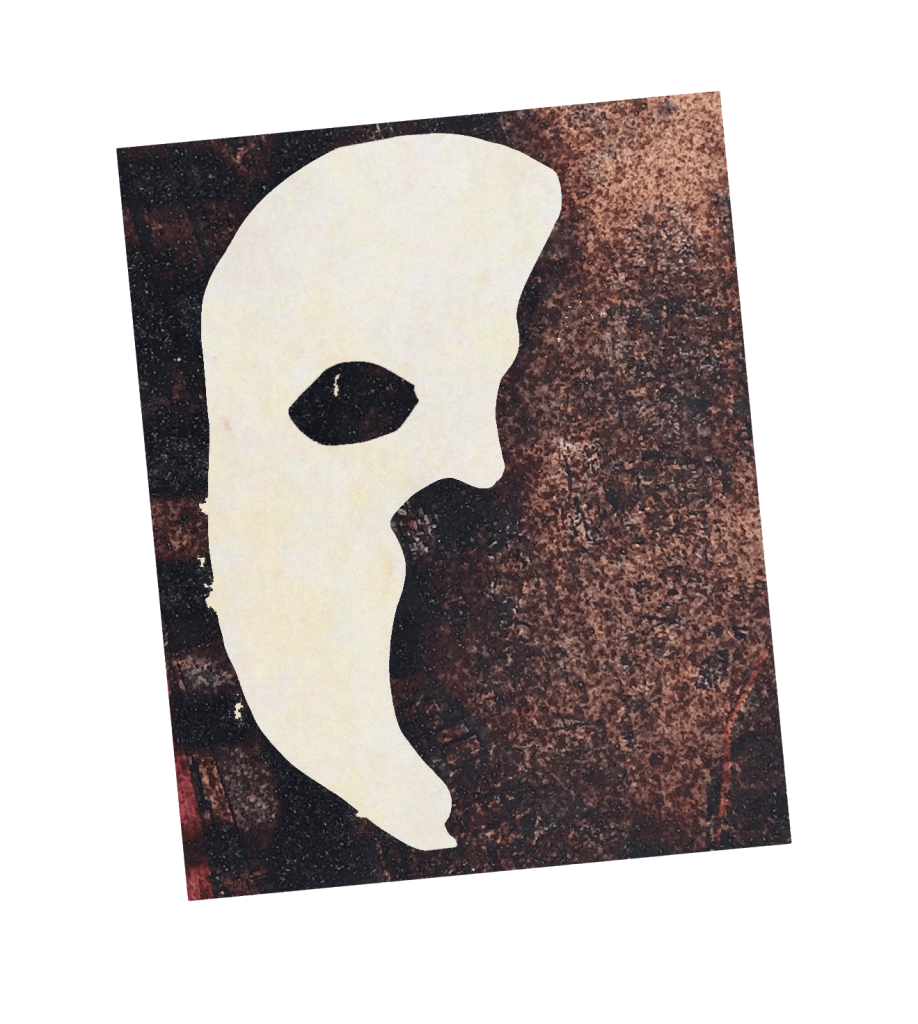
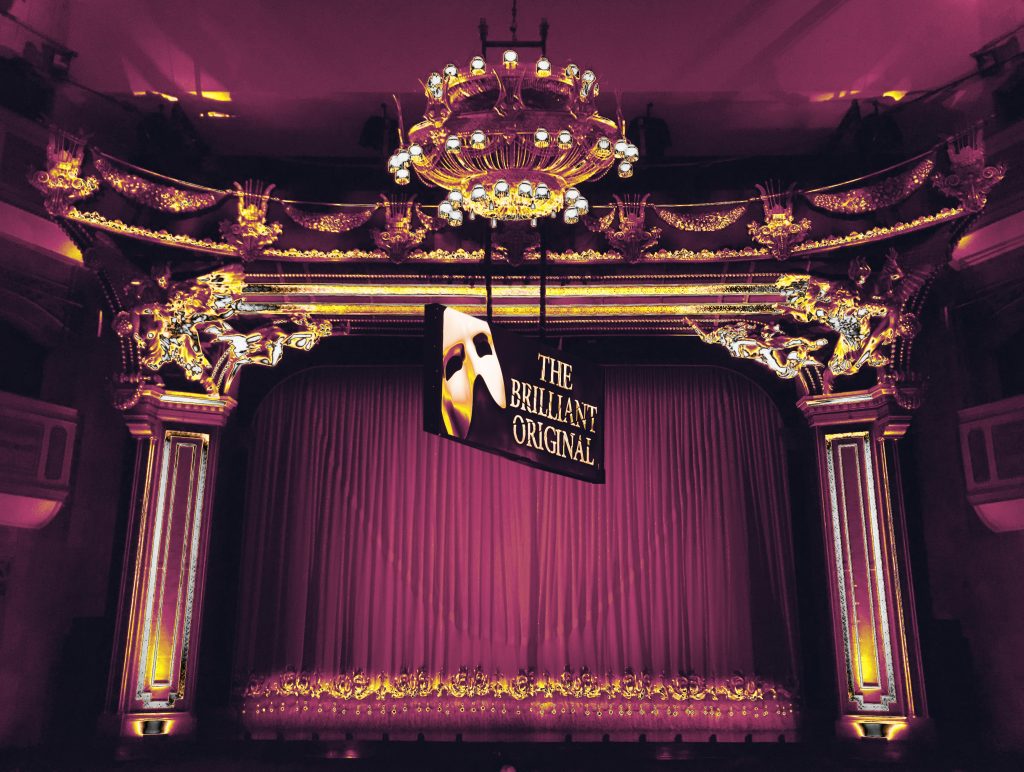
Meanwhile, if you're brave enough to waltz your way into the Phantom of the Opera’s lair, watch out—this is no ordinary dance floor, but a fully immersive Masquerade on stage. Between the eerie organ music and the ever-present risk of a chandelier dropping from the ceiling, you'll be hoping that the Phantom’s obsession with drama doesn’t involve you! So, whether you’re dodging vampire bats or narrowly avoiding airborne chandeliers, let’s just say they’ll be nights to remember... if you make it out.
If you want to go full-on classic horror, you’ll not want to miss our ultimate immersive horror awakening on Mary Shelly’s ‘Frankenstein’, a physical interpretation of the mad scientist Dr Frankenstein and his creation, told over three mysterious, thrilling and sensory acts. Be a participant in the story and understand the Prometheus and threat science can unleash on the world.
OR
Go Bespoke and we’ll bring the fright to your night whether you’re planning a Halloween spooktacular or ghost and ghouls dining experience at the Tower of London. We’ll work with you to bring your brief to life, just complete the enquiry form below and we’ll do the rest.

Horror, Put the Immersive Fear In you.
The Birth of Immersive Design


The horror genre has long been a fertile ground for innovation, particularly in the realm of immersive design. From haunted houses to cinematic experiences, horror has pushed the boundaries of storytelling and audience engagement, compelling us to explore new ways of re-telling the classics. Horror’s unique ability to tap into primal emotions like fear, tension, and dread makes it a powerful vehicle for immersive design, a trend that has evolved significantly with advances across the spectrum of theatrical design, technology, interactivity, and narrative complexity.
Atmosphere and Suspense as Immersion
For us, horror is defined by atmosphere—dark, foreboding settings, and eerie soundscapes that envelope our audiences and transport them into the worlds of the story. Classic horror like Dracula uses visual and auditory cues to create a sense of inescapable tension, while our haunted houses rely on theatrical effects like hidden actors, sound machines, and lighting to immerse passengers in a visceral, frightening experience. Horror, terrifying worlds have always been the pinnacle of the sensory, immersive world.
Immersive design in horror has taken a leap forward with the integration of interactive technologies. We love to blur the lines between player and character, drawing the audience into terrifyingly detailed environments where they can influence the outcome. The player is no longer just a spectator but an active participant in the story, making the stakes feel real.
Interactive Horror: A New Frontier
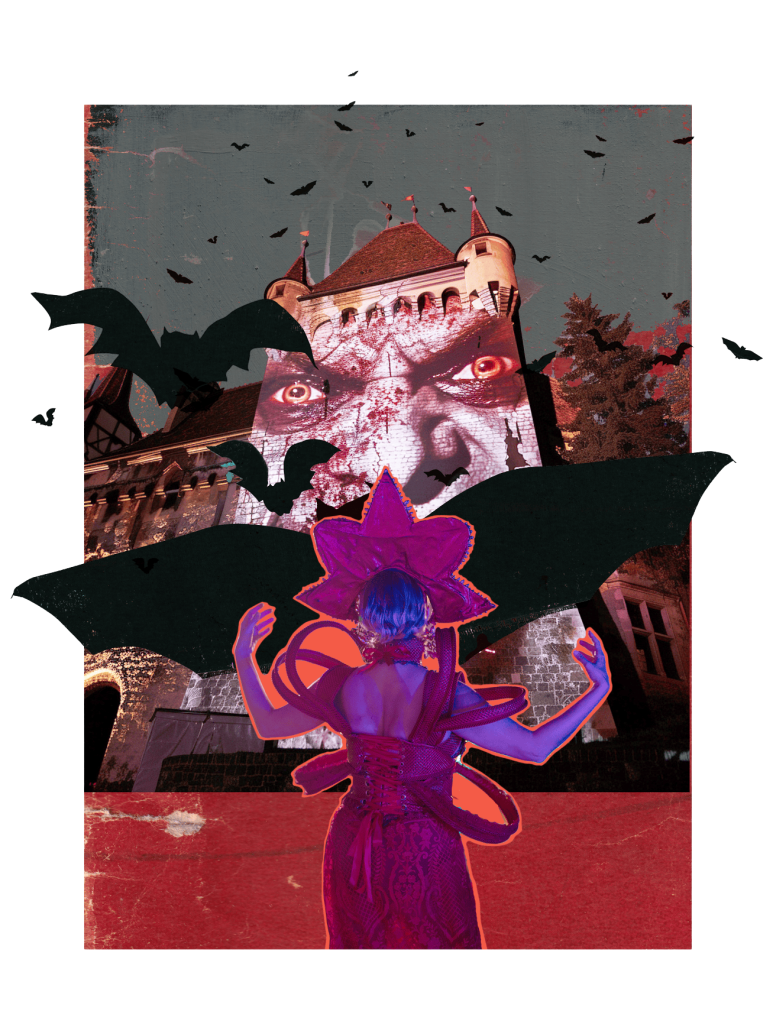
Whilst still in a physical world, held in Bran Castle, Dracula’s famous residence in Romania, we can elevate the experience to the next level by allowing users to fully immerse themselves in a 360-degree horror experience, where they can explore environments, interact with objects, and encounter terrifying creatures in real-time, whilst everything being enhanced with AR and tech. The concept of immersive gaming exemplifies how horror and immersive design are evolving together, allowing players to step into a realm of fear where their actions have direct consequences. VR harnesses the power of sight, sound, and movement to create a deeply unsettling experience where the line between reality and fiction blurs.
Horror’s Power in Immersive Design: Why Fear Works
What makes horror the perfect genre for your next immersive experience? The genre naturally demands the kind of all-encompassing experience that immersive design seeks to create. When your senses are heightened, your emotions are amplified, making the experience more impactful and memorable. It’s a great vehicle to create a lasting impression, which is why horror stories are some of the most remembered (and loved) by society.
Moreover, horror often requires participation. Whether it’s walking through an immersive haunted house, launching a new video game, or navigating a horror story as a new physical experience, the genre is designed to involve its audience on a deep emotional level. This interaction, this requirement for the audience to do something—even if it’s as simple as making a choice—creates an immediate connection between the user and the experience. For brands, this is the golden opportunity. Just like Dracula’s bite, once he strikes, they’ll always be a part of the family.
We can even charm ghosts to open their doors
Working with The Events Mill opens the door to extraordinary worlds, including the captivating realms of showbiz and theatre. We don’t just bring the cast and crew to your events; we provide access to iconic houses, stages, and world-famous venues, where legends of the arts have left their mark. Greats such as The Phantom of The Opera, whilst adverse to most, welcome us with open arms, as if we were Christine Daaé herself, The Angel of Music, giving us free reign to use his Opera House with no fear of collapsing chandeliers.
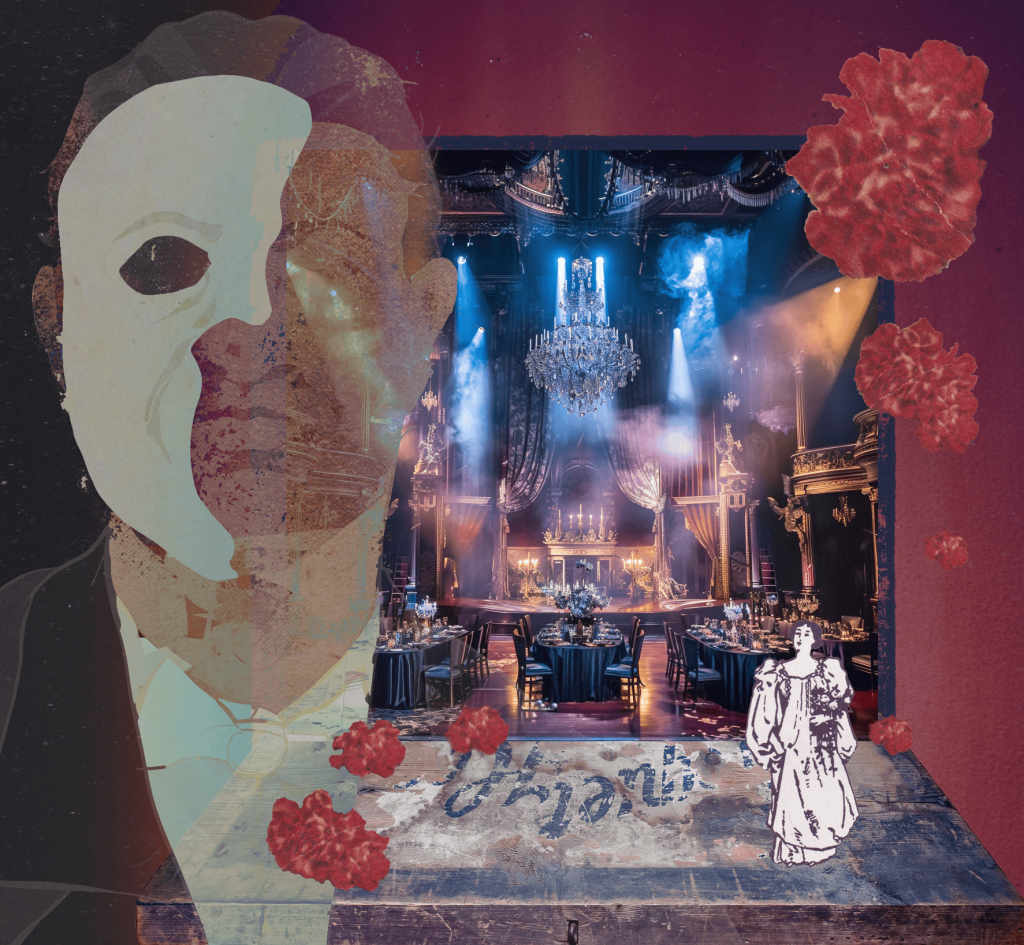
Masquerade, Paper Faces on Parade!
Go big and tread the light fantastic, become the cast to your own theatrical masterpiece and do things differently. Have you ever considered a Westend stage as the perfect backdrop for a dining experience, whilst a musical is happening all around you? The song "Masquerade" from The Phantom of the Opera could be transformed into a dazzling gastronomic immersive experience by recreating the grandeur and mystery of the masquerade ball itself. Guests could be invited to don elaborate masks and costumes as they step into a lavish ballroom, complete with opulent chandeliers, mirrored walls, and a sweeping staircase.
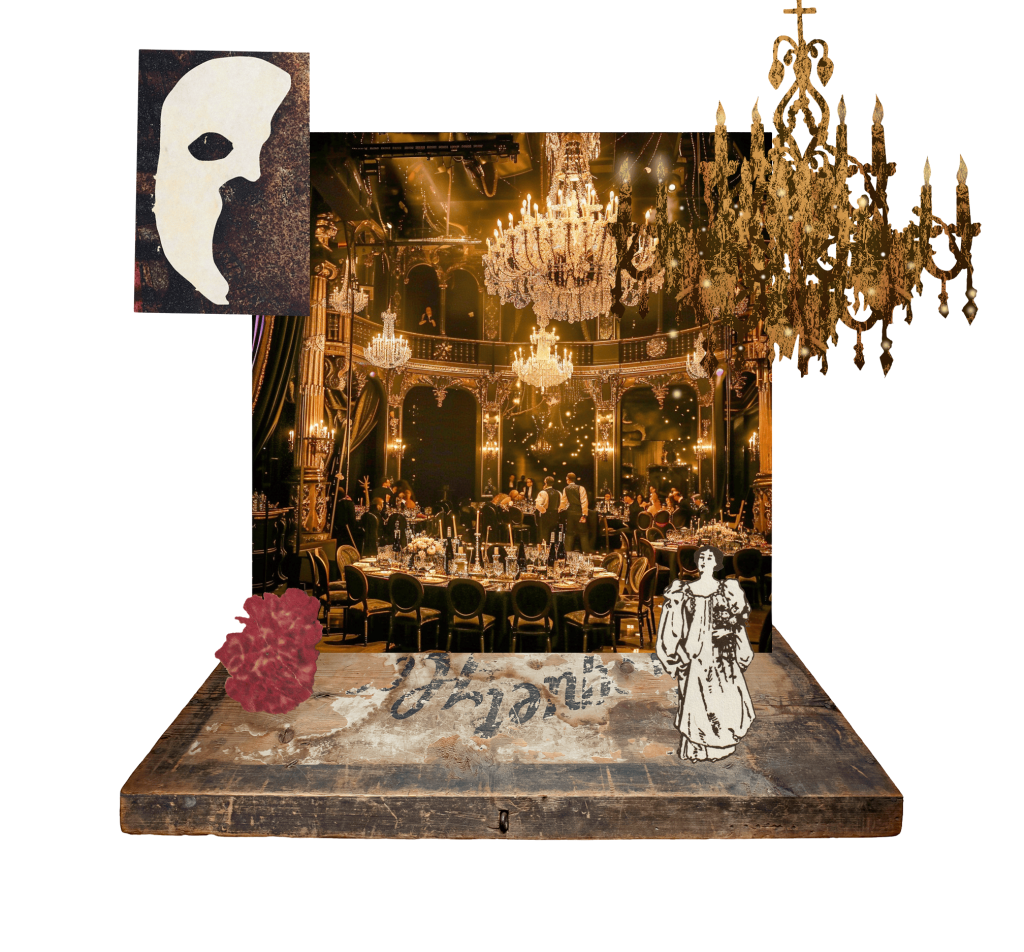
A Full Cast of Westend Extravagance
Performers in extravagant costumes could weave through the crowd, performing choreographed dances to the iconic score, making attendees feel as though they are part of the event, with a dinner themed entirely to the musical itself. We’d use theatrical techniques to show hidden figures or phantom-like illusions to appear suddenly, heightening the sense of mystery and excitement. Interactive elements, such as secret rooms or hidden puzzles, could deepen engagement, letting diners uncover the secrets of the masquerade and the Phantom's presence. This blend of live performance, immersive set design, and interactivity would bring the drama and spectacle of the musical to life in a way that fully immerses your guests in this hauntingly beautiful world.
Opening Doors
Being exclusively able to open doors means having unparalleled access to extraordinary opportunities that are often out of reach for others. It’s not just about stepping into iconic venues or historic spaces—it’s about unlocking experiences that offer a deeper connection to culture, art, and prestige. When we are working a specific theme, such as horror, we love to be authentic and use actual addresses that link to stories, such as Phantom of The Opera in the Palais Garnier. We can open doors to private mansion, exclusively hire stages graced by legendary performers, or host experiences in world-renowned locations typically reserved for a select few. This privilege allows you to go beyond the surface, offering a behind-the-scenes glimpse into worlds rich with history, creativity, and glamour, making each event or experience truly unforgettable.
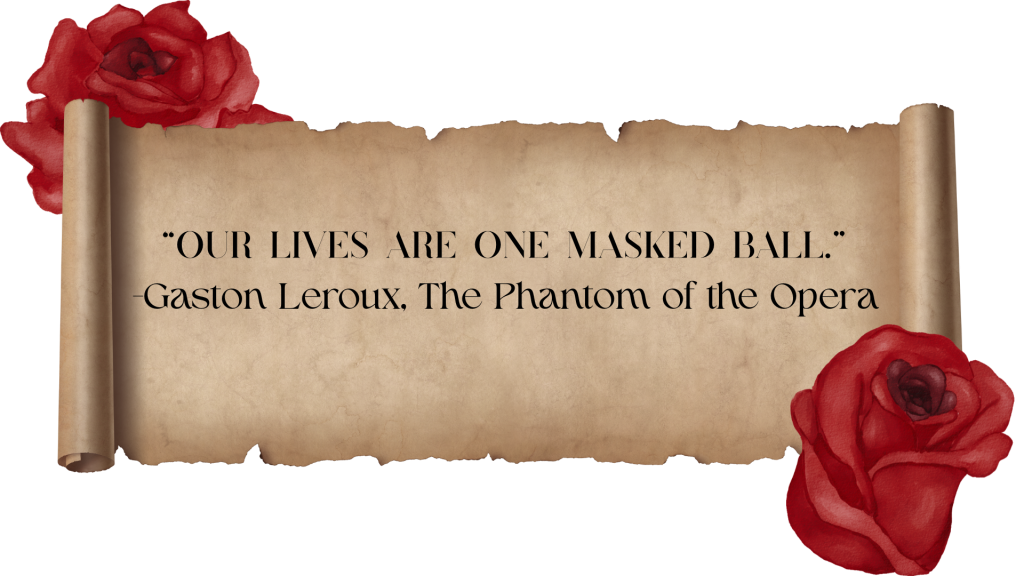
Discover Other Immersive Worlds

Mary Shelly’s ‘Frankenstein’, the ultimate immersive horror awakening. Bringing Classics to Life in Acts of Dazzling Detail
This adventure brings to life Shelly’s classic, considered to be the first sci-fi horror novel, the tale of Victor Frankenstein, The Monster and Captain Walton, told in three acts as a sensory, physical experience. As a passenger experience, guests are encouraged to explore, investigate and interact with the worlds they inhabit, for the further they immerse themselves, the deeper Mary Shelly’s world - and The Monster -will come alive.
Setting the Scene:
A long, shadowy boardroom table is set with an intricate model of Frankenstein Castle, complete with the winding River Rhine and the looming Swiss Alps. The room feels cold and eerie, a moody haze filling the air, as if the space itself were part of a lingering dream. In one corner, a woman lies restless in a single bed, a dim lamp casting a faint, flickering glow over her figure. She tosses and turns in a state of delusion, trapped in a feverish nightmare. Her dreams begin to bleed into reality, projected across the walls, mapping the room in fragments of unsettling visions. Slowly, the pieces of her nightmare coalesce, casting a ghostly, terrifying glow over the table. The tale of Frankenstein's Monster takes form as the woman—our narrator—wakes with a start, breathless from the horrors she has witnessed, her nightmare now ours.
ACT I: Captain Walton’s Discovery of Victor Frankenstein
Guests are seated around a long, imposing boardroom table, where the air buzzes with an eerie sense of anticipation. Place settings are carefully arranged for each guest, but three seats stand ominously empty, reserved for Victor Frankenstein, the Monster, and Captain Walton. The atmosphere is thick with mystery as the guests are thrust into the heart of Captain Walton’s doomed Arctic voyage. His ship is trapped in an unrelenting ice field, and the desolation of the North Pole is made palpable through interactive props: a cocktail served in shards of "frozen" ice, a flat-pack model of the boat, and edible rope that feels unsettling in the hand. A letter is placed at each seat, the paper brittle as though chilled by the Arctic wind.
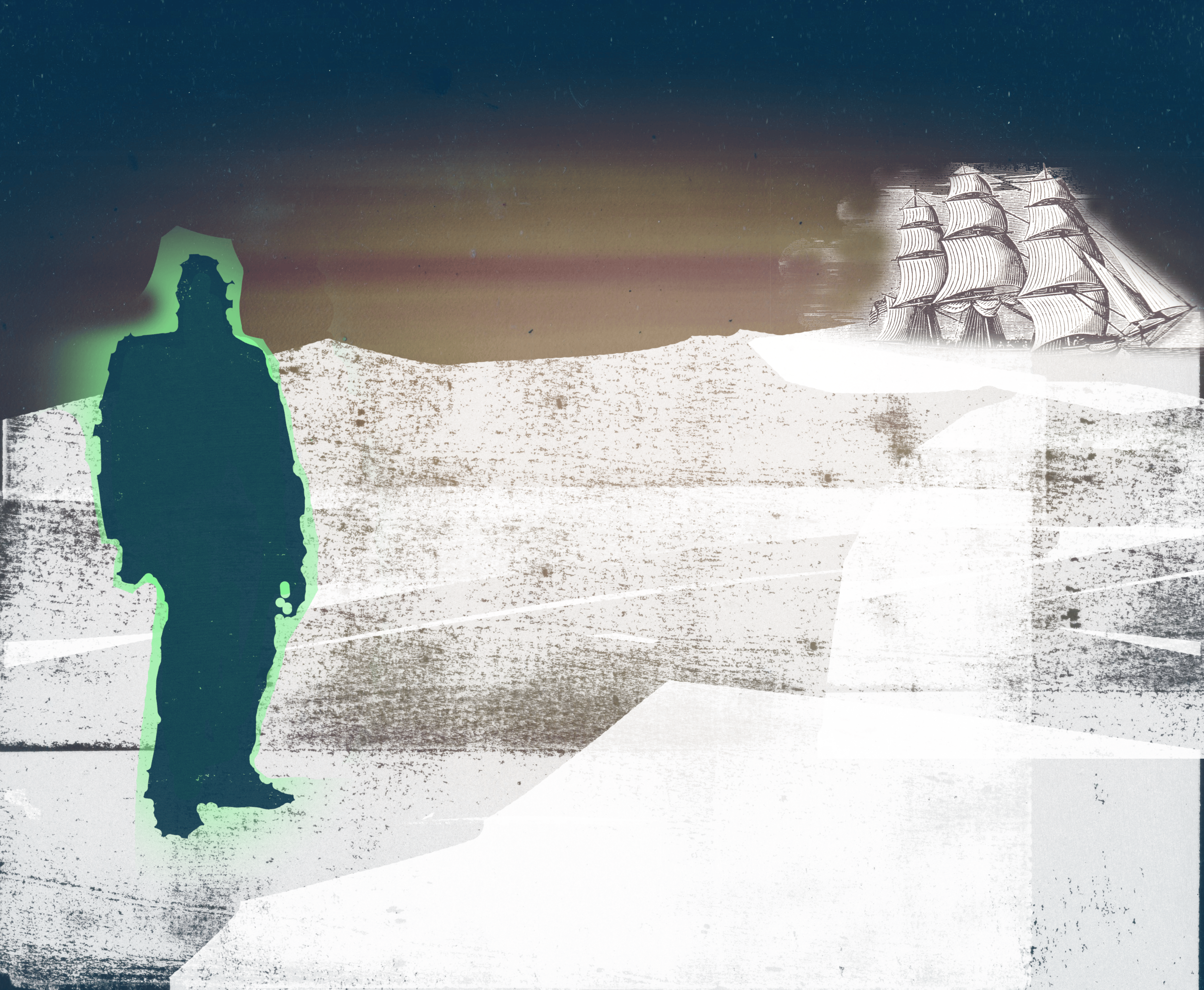
Suddenly, a disembodied voice echoes through the room—it is Margaret Walton Seville, who reads a letter from her brother. The tension builds as she recounts his harrowing encounter with a near-dead figure on the ice. As her voice quivers, the room plunges into darkness. Icy projections spread across the walls like creeping frost, and the mournful howling of sled dogs fills the air. The table begins to vibrate, and from above, a light box descends, casting shadows of Captain Walton's crew dragging the limp form of Victor Frankenstein onto the ship. Snow begins to fall from above, dusting the guests, making them feel as though they are truly aboard this haunted vessel, stranded in an icy wasteland. The figure of Frankenstein, still as death, lies slumped at the end of the table. But as the snow settles, the darkness deepens—there are secrets buried beneath the ice.
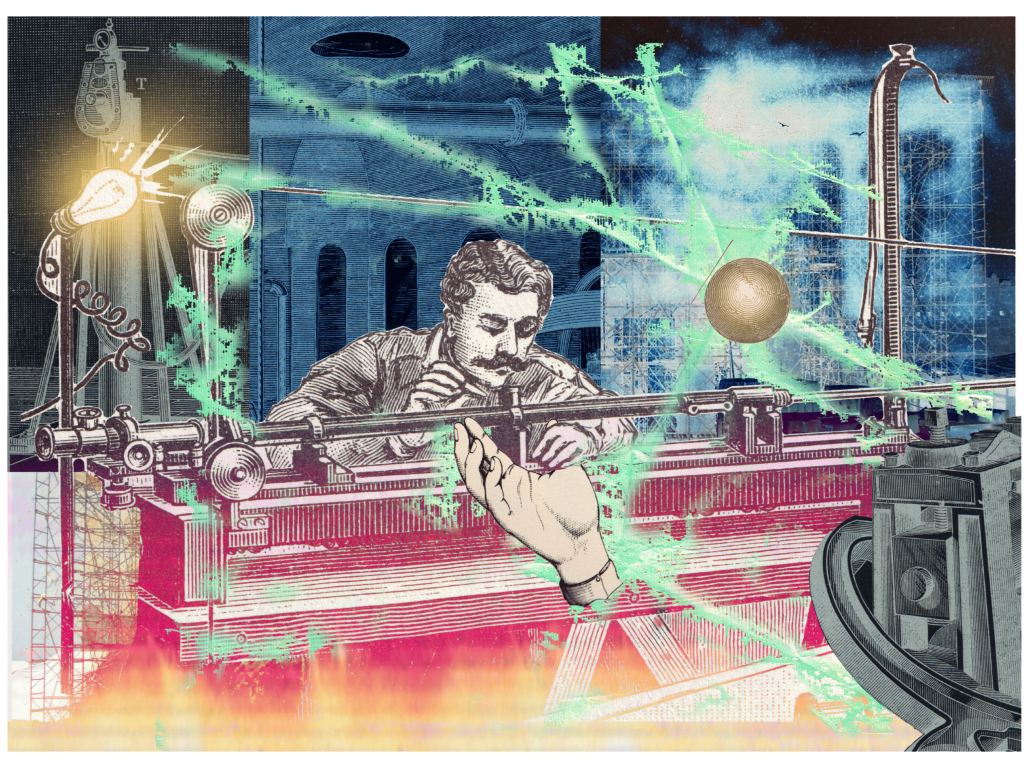
The guests are hurried from the frozen Arctic into the flickering chaos of Victor Frankenstein’s laboratory. The contrast is stark. The laboratory is a storm of clattering metal, flickering lights, and the hum of untamed energy. Bubbling potions overflow, casting strange shadows on the walls, while arcs of electricity crackle through the air. The scent of chemicals is overpowering, mingling with the sharp tang of burning ozone, as if an experiment has just gone wrong. Victor Frankenstein himself is visible through a haze, feverishly working, driven by his obsession to conquer life and death. His fixation on Scarlet Fever blurs with his ambition, his hands trembling as he mixes vials, the room a chaotic reflection of his unravelling mind. The guests are overwhelmed by a vaporous fog, their senses engulfed in a thick cloud of medicinal aromas and static electricity. Suddenly, the fog shifts. The lights flicker, and a low, unnatural growl reverberates from the dining room beyond. Frankenstein’s experiment has worked. He has done the unthinkable—he has created life, but something is terribly, terribly wrong.
The Adam of Your Labours
As the guests return to their seats, they are greeted by a gleaming apple, sitting perfectly before them. But nothing in Frankenstein’s world is as it seems. As they reach for the fruit, it begins to rot in their hands, disintegrating to reveal something hideous beneath its once beautiful surface. A note accompanies the crumbling apple, the words etched in an elegant, but chilling hand: "the Adam of your labours." It is a direct message from the Monster to Frankenstein, a reminder of the horrific transformation from creation to abomination. The beauty of life, twisted beyond recognition. The table begins to pulse with energy, as if the very ground beneath the guests’ feet is reacting to this monstrous revelation. Whispers swirl around the room, fragments of Victor’s broken promises to his creation, echoing in the darkness. A hand reaches up from beneath the table, only to vanish as quickly as it appeared. Nothing is safe anymore.

Understanding Prometheus: Dr. Frankenstein’s Methods of Madness
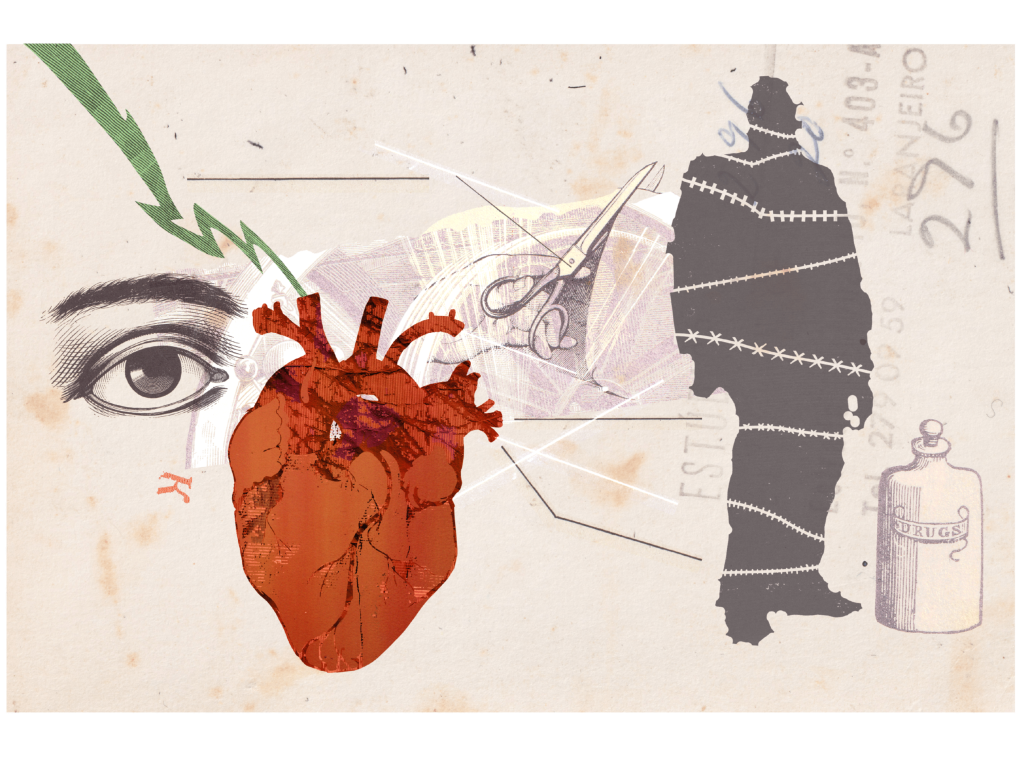
Each guest is presented with a framed depiction of "Prometheus," symbolizing Frankenstein’s arrogance in playing god. But these frames are not mere art—they are interactive puzzles, filled with hidden textures, envelopes, and messages that guests must explore to understand the twisted depths of Victor’s mind. Each envelope holds a new secret, each texture a symbol of Frankenstein’s madness. Guests uncover clues to his methods, revealing his rebellion against the natural order. As they engage with the artwork, the table is filled with strange, edible accompaniments, each element representing Frankenstein’s dangerous tampering with life. The dishes are unfamiliar, curious combinations of tastes and textures that leave the guests unsettled, mirroring Victor’s madness. Through flashes of lightning and bursts of sound, the guests witness Victor defy nature’s laws, and with each revelation, they inch closer to the Monster’s creation.
The Monster Flees
The tension snaps as the Monster—disgraced, unloved, and rejected—rises before the guests, only to flee in a burst of anguish. His form, a grotesque shadow of Frankenstein’s ambition, deflates dramatically in front of their eyes, crumbling under the weight of its creator’s hubris. It is a chilling reminder that the Monster is no longer bound to his maker—he is loose in the world, an unstoppable force seeking retribution. The lights flicker, the table shudders, and the guests are left alone with the terrifying realisation that Victor’s creation is out there, somewhere, waiting. The snow that fell earlier now feels like a ghostly memory as the scene fades to black.
End of Act I
Want to know what happens next? Get in touch to find out below.
Feeling Inspired?